



-
-
Industry Solutions
-
Convergence-Native Solutions
-

Smart Transportation Solution
Hytera Solution for Transportation
As transportation networks grow more complex—from airports and railways to metro systems—operators face increasing demands for safety, efficiency, and real-time coordination across vast, distributed environments.
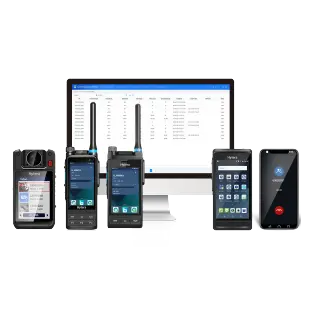
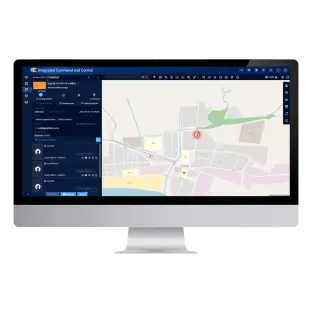
Hytera solution for transportation is designed to unify mission-critical voice, broadband data, and video services into one seamless platform. It enables resilient, real-time communications across all scenarios—whether in terminals, along tracks, or across control centers—ensuring every operation runs safely, efficiently, and without interruption.
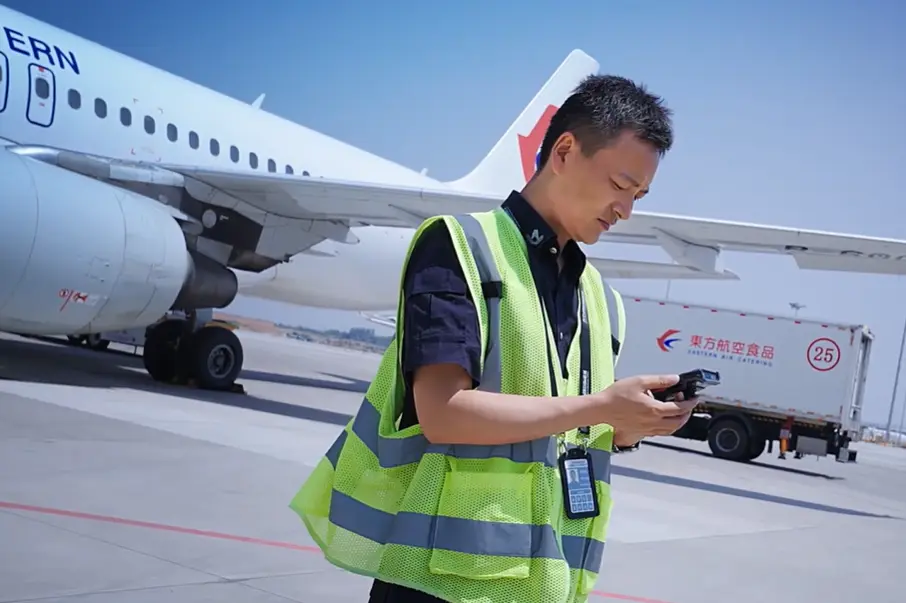
- Airports – Seamless Coordination Across Every Terminal Zone
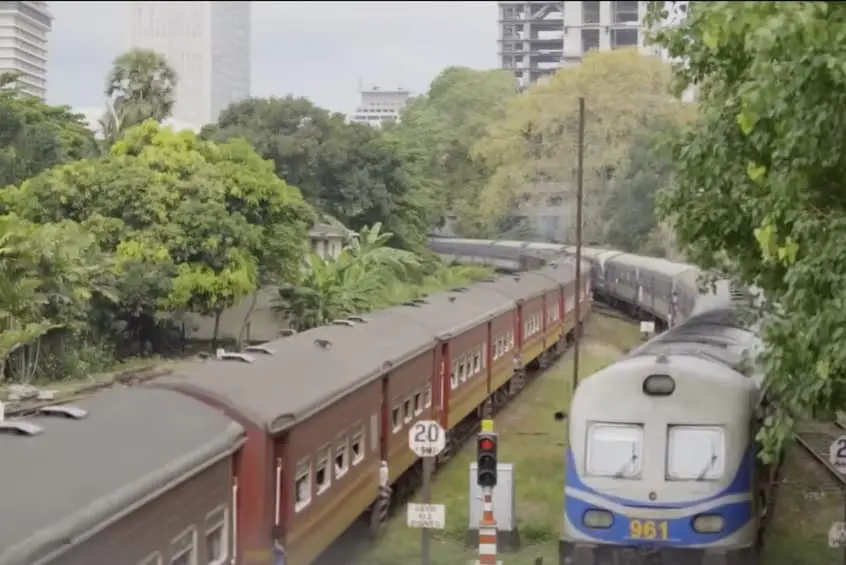
- Railway – Reliable Connectivity Along the Line
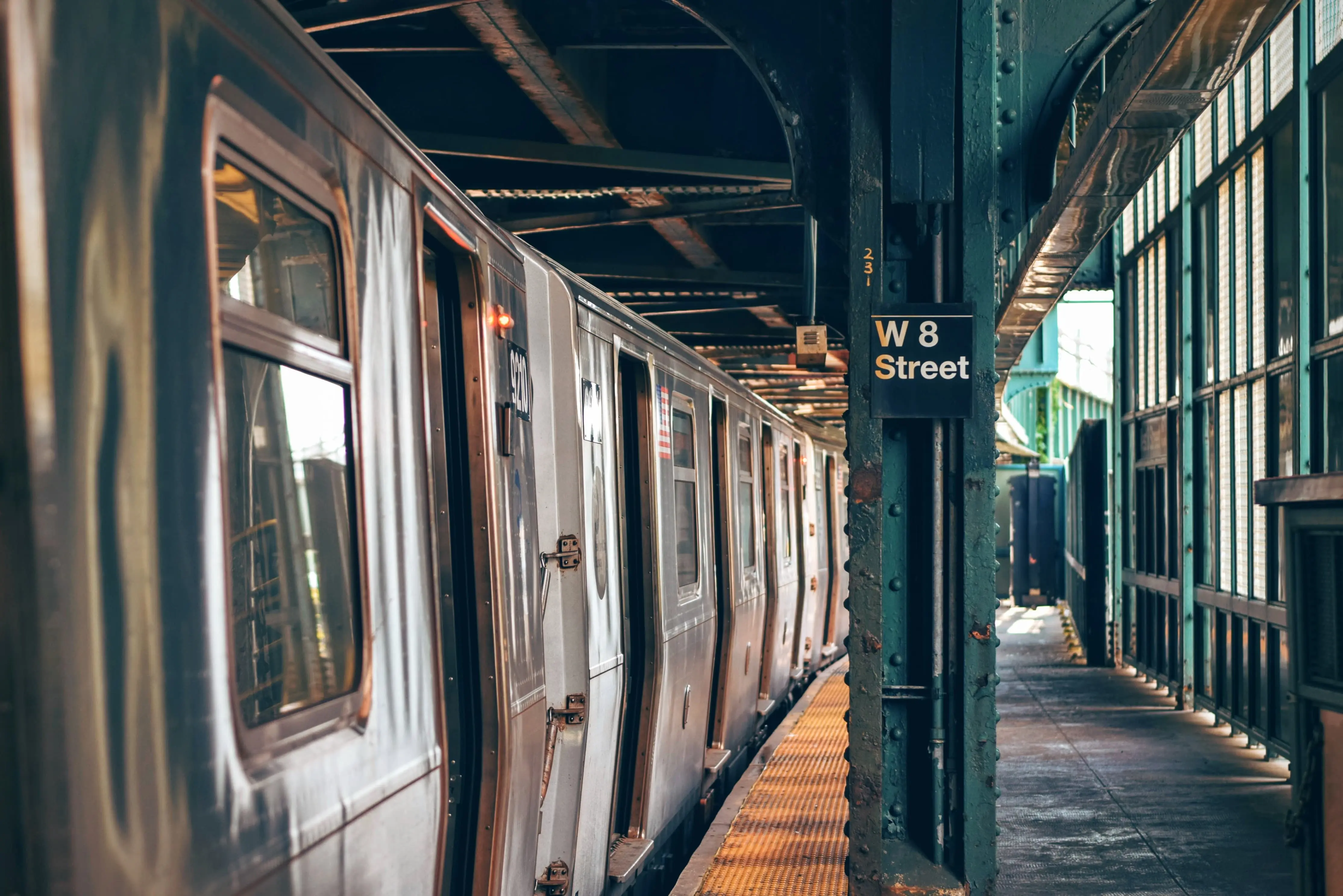
- Subway – Instant Response in Underground Environments
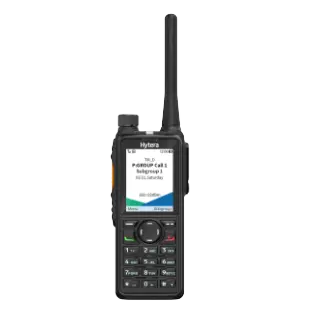
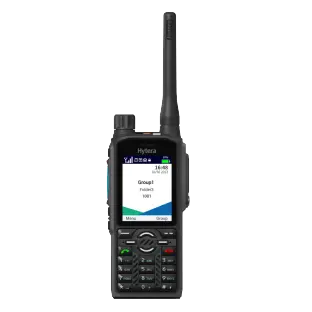
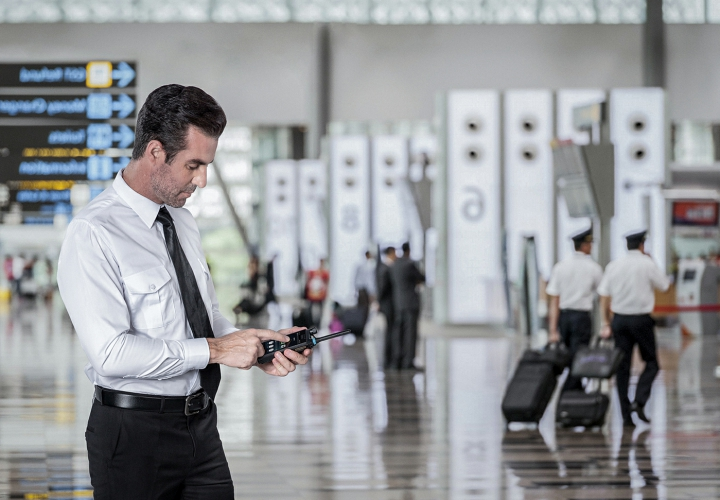
- Hytera provides airports with a unified critical communication solution that integrates TETRA/DMR infrastructure, dispatch systems, and portable terminals, enabling seamless voice and data exchange across ground handling, security, maintenance, and terminal operations. This ensures real-time coordination for aircraft turnaround, baggage handling, and emergency response, significantly improving operational efficiency and safety while reducing delays caused by communication gaps.
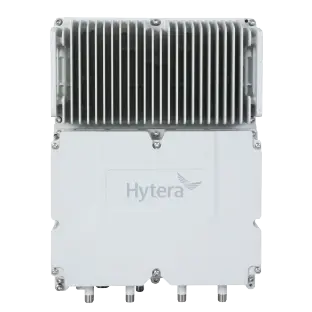
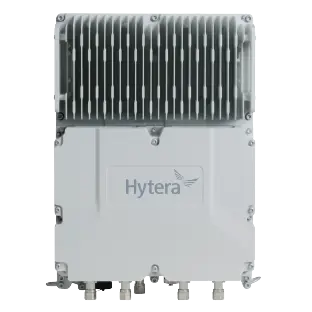
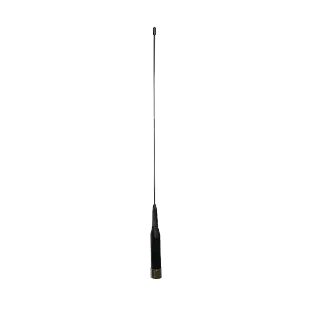
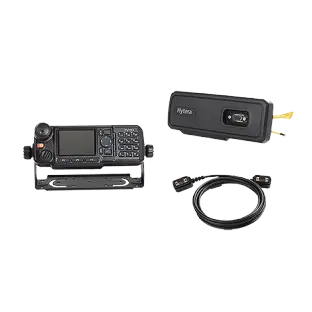
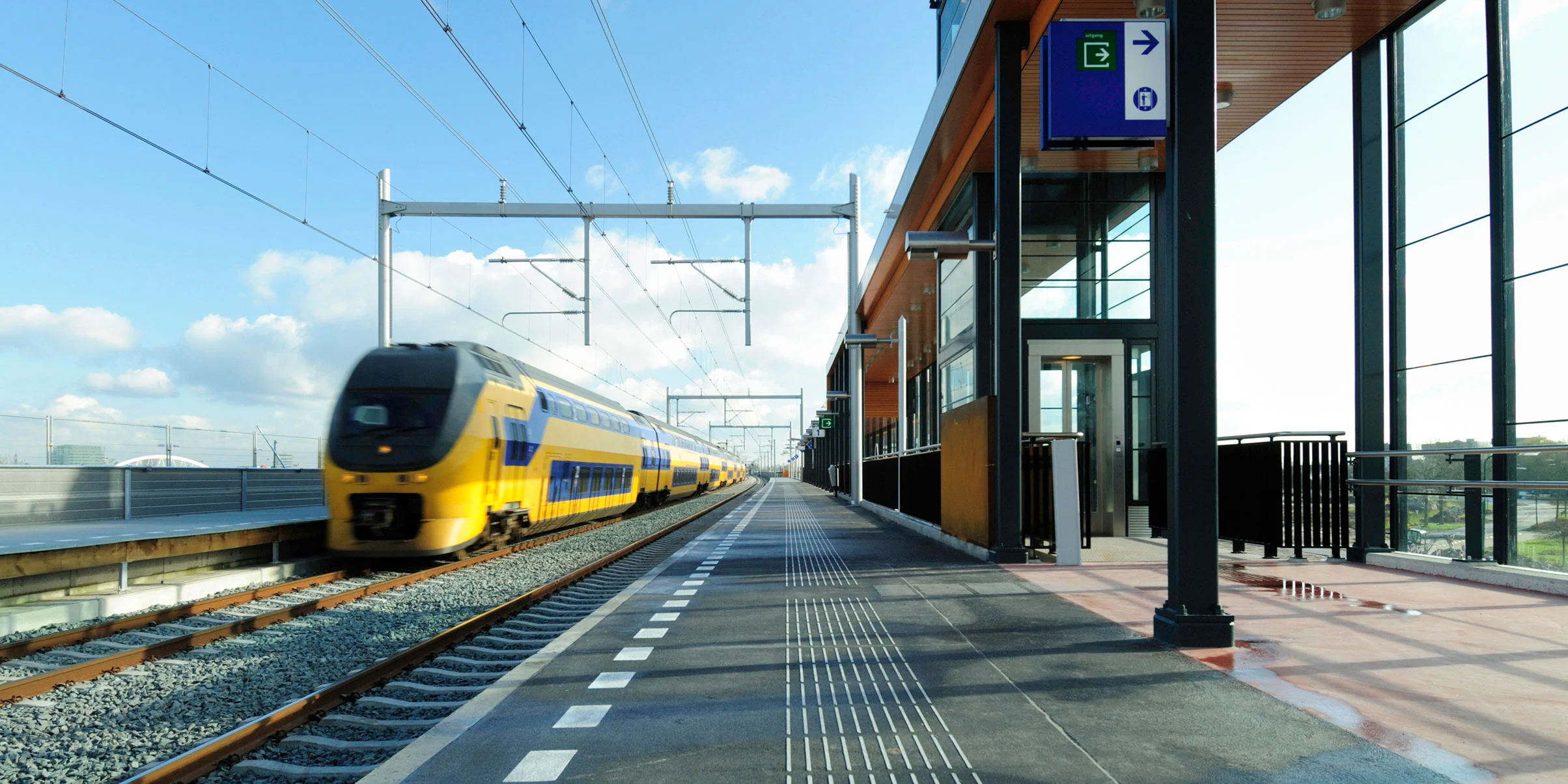
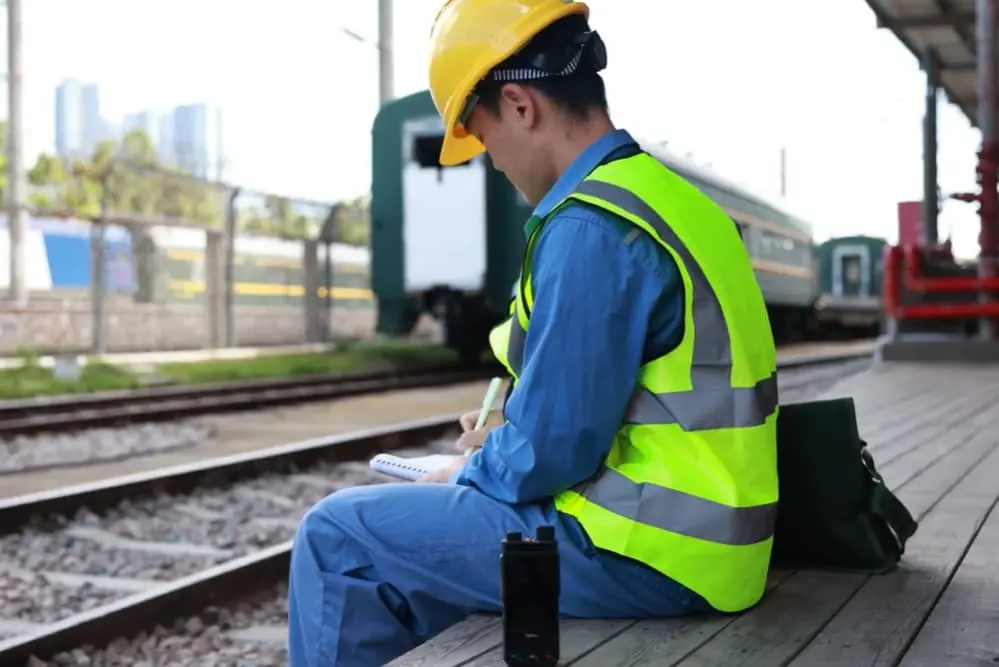
- For railway operations, Hytera offers a reliable end-to-end solution covering train-borne radios, trackside base stations, and centralized dispatching systems. The solution supports both voice and data communications, enabling train-to-ground coordination, shunting instructions, and real-time status reporting. With no single point of failure and professional coverage design, Hytera ensures continuous, interference-free communication along rail lines, enhancing train safety, punctuality, and maintenance efficiency.
- In subway systems, Hytera delivers a dedicated TETRA/DMR-based solution that includes leaky cable or repeater coverage, onboard radios for trains, and integrated dispatch consoles for control centers. This enables instant communication between drivers, station staff, and control rooms, supporting functions like train departure authorization, passenger flow coordination, and emergency evacuation. The system's high reliability and rapid expansion capability help subway operators maintain smooth daily transit and respond swiftly to incidents.

Mission-Critical Response
Enable instant, reliable communications to respond to incidents and emergencies across all transportation scenarios, minimizing disruption and ensuring operational continuity.

Unified Operations
Connect control centers, field teams, and mobile staff on a single platform, enabling seamless coordination across airports, railways, and metro networks.

Secure Communications
Protect mission-critical information with end-to-end encryption, secure access control, and a resilient network architecture you can trust.

Smart Efficiency
Streamline daily operations with intelligent dispatching, real-time coordination, and dynamic communication groups for faster, more effective execution.

Cost Optimization
Reduce operational complexity and total cost of ownership through integrated voice, data, and video communications on a unified platform.

Enhanced Passenger Experience
Improve service reliability and on-time performance through faster response and smoother operations, delivering a better journey experience.
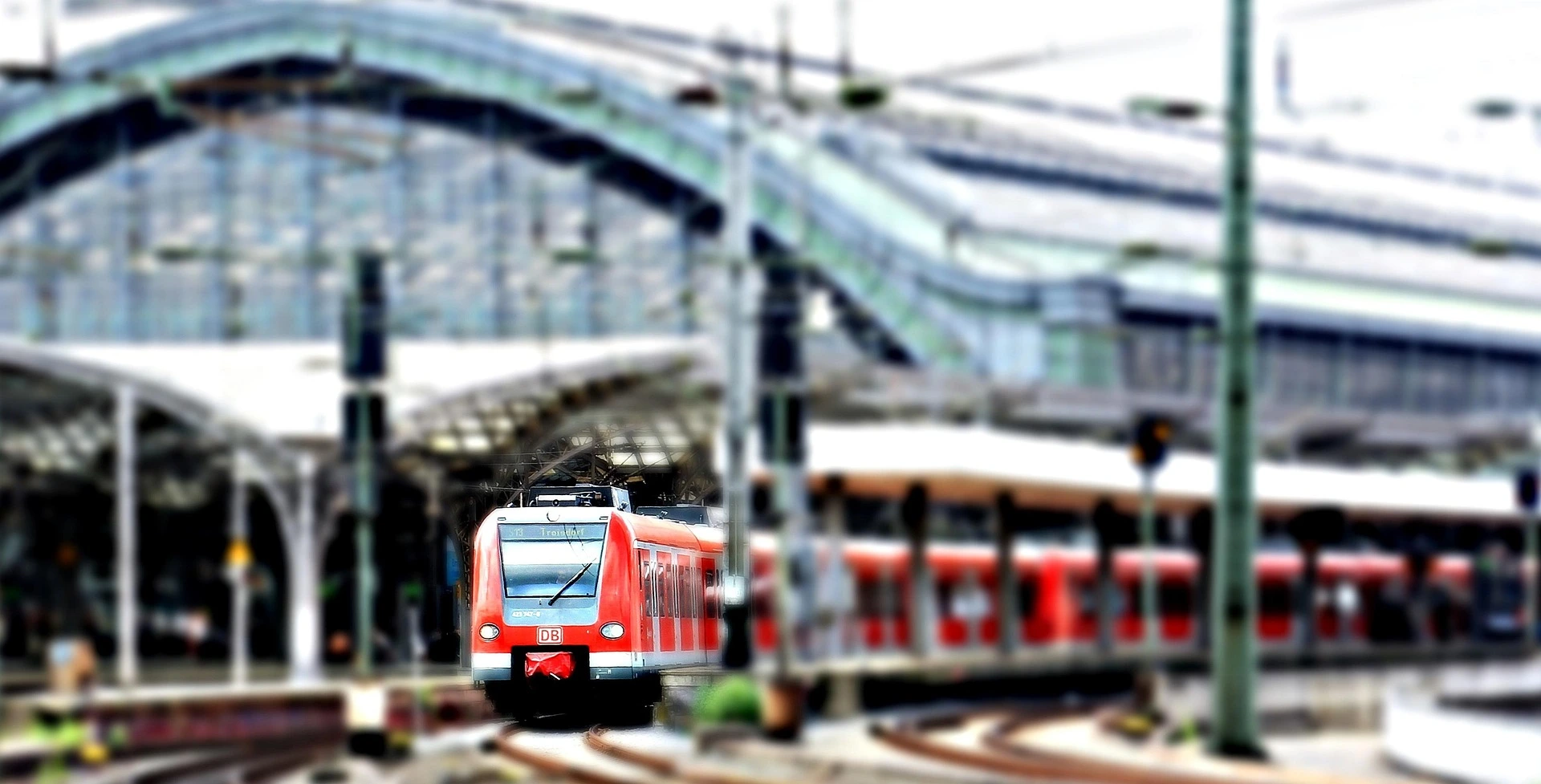
End-to-End Solutions & System Integration
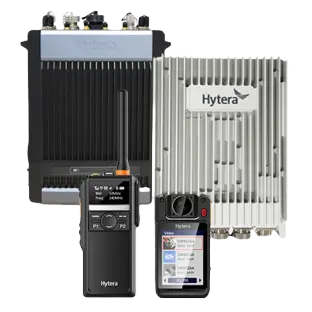
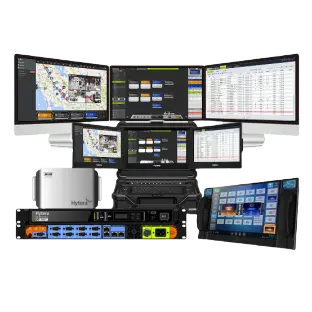
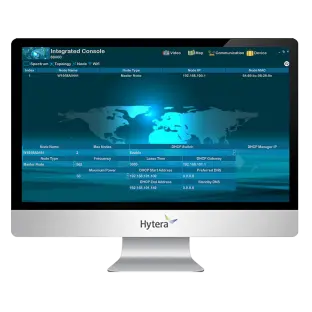
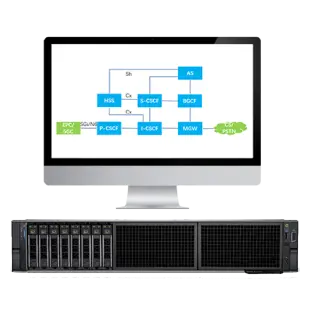
Hytera offers end-to-end total solutions for the transportation industry, covering a complete product line including TETRA/DMR infrastructure, customized dispatchers, train-borne terminals, and more. The solution can be seamlessly integrated with different operational systems within the transport sector, forming a unified and interconnected communication network to meet the demanding dispatch and coordination needs of railways, airports, ports, and other complex scenarios.

Highly Reliable Network & Professional Service Support
The system features no single point of failure and is easy to expand. With many years of engineering expertise, Hytera provides accurate and professional radio coverage solutions. Additionally, backed by an experienced service network of over 90 subsidiaries and offices, more than 100 certified service centers, and over 1,500 maintenance engineers, Hytera ensures reliable network delivery and necessary operation and maintenance services.
Related Videos
Related Videos
-
![Case Study l Hytera MCPTT Solution for Sri Lanka Railways]()
4:12
Case Study l Hytera MCPTT Solution for Sri Lanka Railways
-
![Case Study | Hytera PNC560 5G Smart Devices Empower Xi’an Xianyang International Airport]()
4:04
Case Study | Hytera PNC560 5G Smart Devices Empower Xi’an Xianyang International Airport
-
![Webinar | Empowering Airport Safety and Efficiency with Hytera]()
20:20
Webinar | Empowering Airport Safety and Efficiency with Hytera
-
![P60 Smart PoC Radio | Group Call Recording Playback]()
0:58
P60 Smart PoC Radio | Group Call Recording Playback
Case Study
-
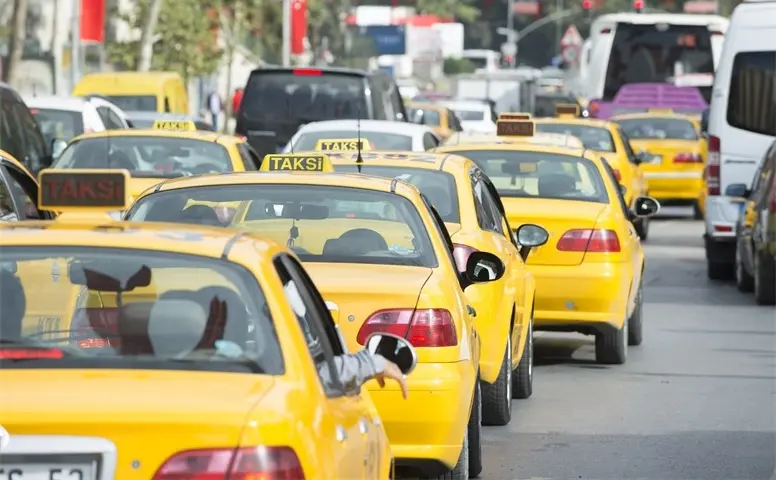
Otogar Taxi, Turkey
Hytera's PoC3000 platform and PNC370 radios have greatly enhanced the way taxi companies in Turkey are able to communicate with and accurately locate their drivers, thereby resulting in a much better service for customers.
-
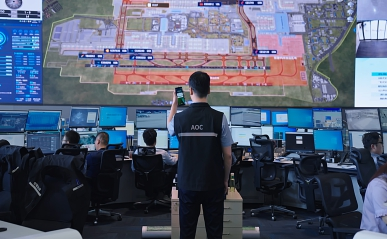
Xianyang International Airport,China
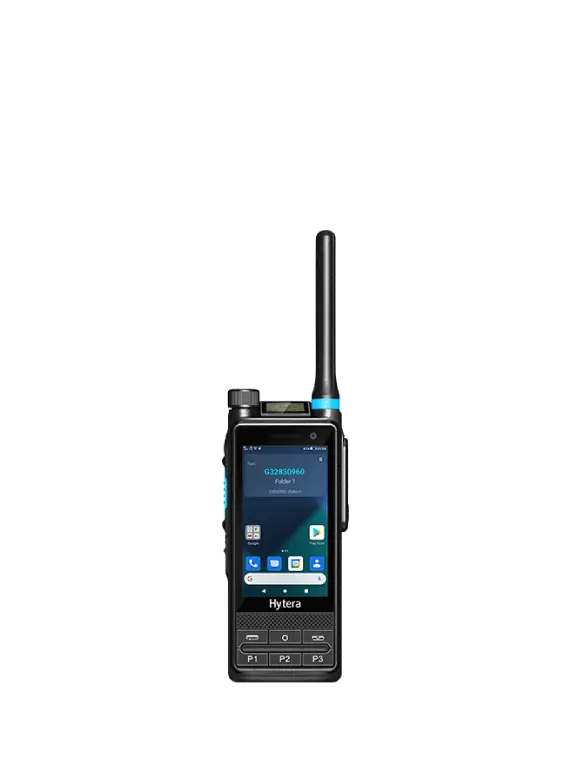
Xianyang International Airport in Northwest China implemented a private 5G network, along with Hytera’s HyTalk Pro PoC Software Management System and PNC560 5G terminals.
-
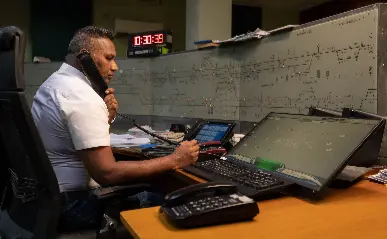
Railways, Sri Lanka
Hytera supply the full range of devices required, including train cab radios, hand portable PTT mobile phone, IP desk telephones and dispatching systems, and then integrate them together via a unifed network management system.
Frequently Asked Questions
Q: What is the best communication system for airports, railways, or metro systems?
A: The best communication system for transportation depends on operational scale and complexity. Today, many operators are adopting integrated solutions that combine mission-critical voice, broadband data, and video to support real-time coordination across airports, railway networks, and metro systems.
Q: What is the difference between two-way radios and LTE/5G communication systems?
A: Two-way radios are designed for instant, highly reliable voice communication, while LTE/5G systems enable high-speed data, video, and advanced applications. Modern transportation networks increasingly rely on convergence-native platforms that integrate both technologies for maximum flexibility and performance.
Q: What is MCX (Mission Critical Services) and why is it important?
A: MCX is a set of global standards defined by 3GPP for mission-critical voice, video, and data services over LTE and 5G networks. It is essential for transportation operators who need secure, real-time, and interoperable communications across different teams and systems.
Q: How can communication systems provide coverage in tunnels or underground areas?
A: Ensuring reliable communication in tunnels, underground stations, or remote rail corridors requires specialized infrastructure such as distributed antenna systems (DAS), leaky feeder cables, or private LTE networks. Hybrid solutions are often used to guarantee continuous coverage.
Q: How can transportation communication systems be upgraded without replacing existing radios?
A: Many modern solutions support interoperability with legacy radio systems, allowing operators to gradually upgrade to broadband technologies without a full replacement. This approach protects existing investments while enabling new capabilities such as video and data applications.
Q: How to choose the right communication solution provider for transportation?
A: Operators should evaluate providers based on reliability, industry experience, technology integration (voice, data, video), security capabilities, and long-term scalability. Solutions built on a convergence-native architecture are better suited to meet the evolving demands of modern transportation systems.